
I’m a strength coach, and I’m also a shameless workout modifier.
I modify my workouts regularly, and I don’t feel bad about it. Instead I celebrate it! I also encourage my clients to modify their workouts.
Thanks to the fitness industry being exclusive and sometimes just all-over shitty, exercise modifications can be seen as a bad thing. You might feel (or have been made to feel by an instructor or coach) like you’re weak or you’re failing at the workout if you need to modify it. From my perspective, the absolute opposite is true! When you modify, you’re doing what you need to do to make the workout happen. You making it do-able for you so you can keep getting stronger.
All workout modifications are legitimate and important. They allow you to explore how your body moves, gain experience, and build body trust. It can feel isolating when it seems like you’re the only one modifying something, but it’s more common than you think. Instead of thinking of it as a failure, I want you to think of it as you supporting your body in the best way possible.
My coaching is all about getting strong for real life. Clients come to me because they want to move their best, now and in the future. When you’re training this way, it’s not a competition to see who can do the most or the toughest variation. It’s about finding what feels good and is sustainable for YOU! By listening to your body and finding sustainable ways to work out, exercise becomes a part of your life long-term.
Reasons Why I Modify Workouts:
1. To match my current level of exercise ability/experience
I once bought a specialized “beginner” program that was way too advanced for me. Instead of giving up on the program and wasting my money, I decided to use the program anyways… but with modifications. Because I know how to substitute exercises and adjust workouts, I made the program workouts fit my experience level. I still went through the program and I did get stronger, even if I wasn’t technically doing what the workout prescribed.
2. Because of how I feel that day/week
Your body can feel different week-to-week or even day-to-day. Just because you used a certain weight last week doesn’t mean it’s going to feel good this week! Other parts of your life can affect your workouts, so it’s important to listen to your body and adjust accordingly. Not only does this build trust in your body, but it also helps you avoid injuries and overtraining.
3. To support the ways my body naturally moves
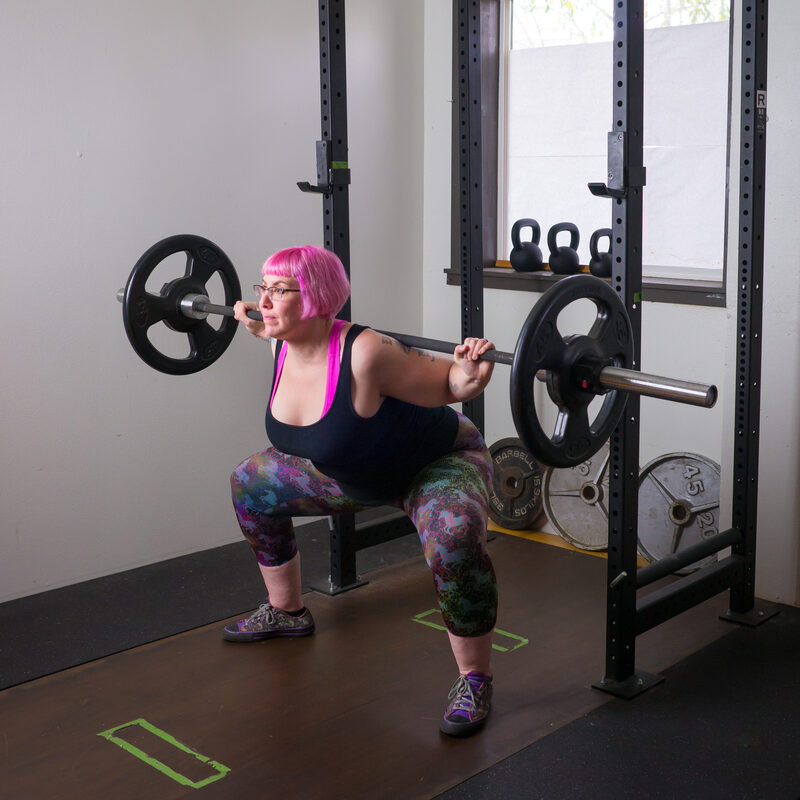
Everyone’s body moves a little different! We all have slightly different anatomy, and that can affect how we do exercises. A great example of this is the squat. Depending on your hip and leg anatomy, some ways of squatting can feel better than others. You might find that a wider stance back squat feels good for you, while a narrower stance front squat feels good for someone else.
4. To avoid pain/work around prior injuries
If it hurts, don’t do it! The days of “no pain, no gain” are over. Exercise is supposed to support your body and help it feel good, not cause you pain. If you feel pain during an exercise, modifications can help make it more comfortable for you to get stronger. If you have had injuries in the past that affect your movement, modifications help you meet your body where you’re at and support or avoid that area as much as you need to.
Learn 9 different exercise modifications here.
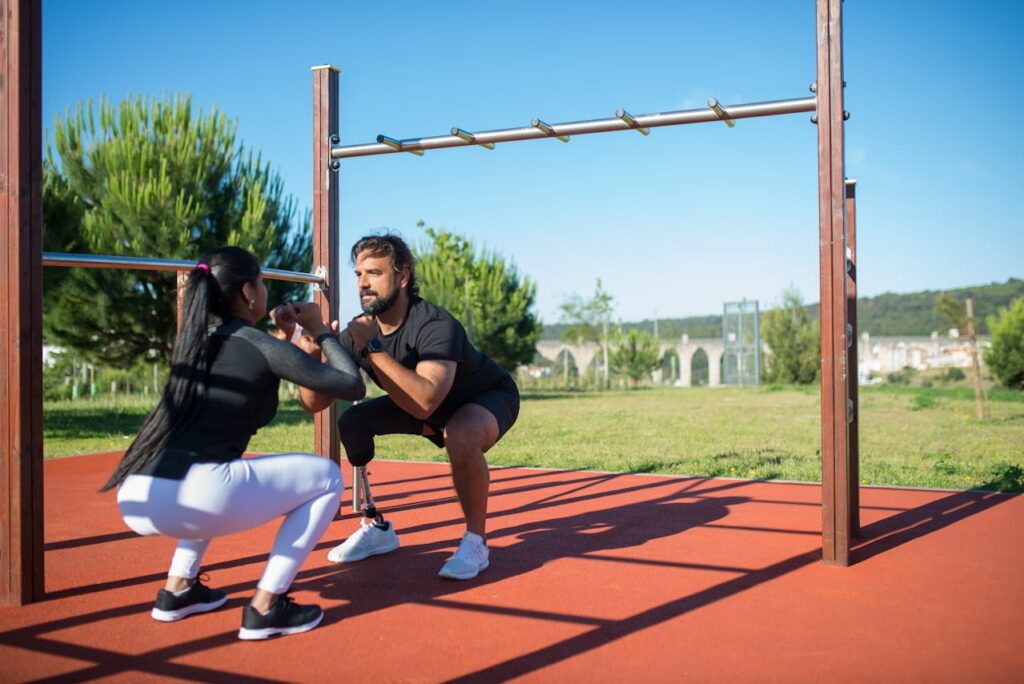
When I modified my workouts:
At the beginning of 2026, I had a minor surgery that caused me to be sedentary while I healed. After already being inside and pretty sedentary all winter, I felt pretty out of shape. Once I started going back to the gym, I could tell my strength wasn’t where it was at the summer before due to my lack of movement. It was a necessary pause, but I wanted to get moving again!
I decided to go to workout classes at my gym for a little extra accountability. Some of those workouts were tough. I really struggled during the classes, especially the first few weeks. It had been a long time since I had done what these classes thrived off of: cardio and fast-paced workouts. I’m used to chill strength workouts, even before I had to take a break! Since the class exercises were challenging and I was still healing from surgery, I modified many of them. Doing those modifications allowed me to continue moving without hurting or over-exhausting myself. Over time, I got stronger and needed to modify fewer exercises.
Temporary Workout Modifications
Sometimes you need temporary modifications like what I did post-surgery. It’s important to check in with yourself before a workout to see how you’re feeling and if you want to adjust anything about the upcoming workout. You might have stayed up late with a friend and you’re feeling tired. You could be stressed from a major work deadline coming up. Or maybe you stepped on a root during a hike and your ankle isn’t feeling 100%. All these (and many more) are good reasons to modify!
Where to start with temporary modifying:
1. Adjust the weight and/or the reps.
The top two ways I’m adjusting exercises is by using a different weight or doing a different number of reps. Just because you used a certain weight last week doesn’t mean you have to use it this week! Same goes for reps. If you need a more major modification, you can start cutting out sets or parts of your workout.
2. Do a different variation.
You can always swap out an exercise for a different one. Bonus points if it works similar muscles, but it’s not necessary. One example is swapping out lunges for its more stable cousin the squat.
When I helped my client modify his workouts:
If you’ve been in my world for very long, you know I talk a lot about starting with the basic exercises. Usually this means some variation of a squat, a deadlift, a press or pushup, and a row.
A few years ago, I introduced deadlifts to a client. He liked the idea of them and the muscles they strengthen, but every time he went to do them, his back hurt. After unsuccessfully trying a few different deadlift variations, I did some sleuthing. It turns out, his back bends more in the middle than what’s typical. By holding weight and trying to do a deadlift, he was putting a lot of pressure on that area of his back, which caused discomfort.
Instead of continuing to push deadlifts, we modified! We did other hinge exercises like glute bridges and hip thrusts that strengthened the same muscles but didn’t pull on his back. Since this was an actual, structural difference in his spine, it was likely that no deadlift variation was going to feel good for him. The new exercises worked great- he was able to do them consistently and see results.
Permanent Workout Modifications
Our bodies are what they are. We can get stronger, but sometimes there are differences that can make certain exercises uncomfortable. That’s okay! Your workouts are supposed to work for your body. Modifications don’t just have to be temporary- they can help you exercise long-term!
Strength training is for all bodies and abilities. I truly believe there are always variations of exercises that can work with your body and help you get stronger.
Where to start with long-term or permanent modifying:
1. Look into different variations that strengthen the same muscles.
I like to talk about exercises in categories, like the basics of squat, hinge, push, and pull. When you categorize, you can find which exercise within the category you like best (which is also autonomy, a great way to help you stay more motivated to work out!). Like I did with my client, you can find exercises that work your muscles without causing discomfort or fighting the way your body moves.
Just off the top of my head, I can think of a dozen different ways to modify exercises depending on what’s causing your discomfort. So many different options exist!
2. Source equipment to support your body.
If you’re at home this can look like using a chair or a wall for support. If you’re going to the gym, this could look like getting more specialized equipment that helps you use the machines or weights more effectively. There many amazing companies that offer adaptable exercise equipment.
My exercise modifications course, Strength Your Way, teaches you different ways to modify. You’ll learn different options for modifying workouts and how/when to substitute different exercises. The goal: you’ll learn how to make your workouts fit your unique body! Learn more about Strength Your Way here.

Sarah Siertle

Hey! I'm Sarah!
I'm an inclusive strength & movement coach who helps people get hella strong so they can have fun and live their lives in full color!
My coaching is beginner-friendly, size-inclusive, and all about helping your body move better. Discover how good fitness can feel when it doesn't include guilt or shame!
If you're ready to start your strength journey, you can check out your training options or get five days of five-minute home workouts for free!

Comments